If you want towing capability without hanging a big chunk of steel under the back of your vehicle, eurostyle towbar installation usually makes sense. It suits drivers who care about clean factory-style looks, practical day-to-day use and a setup that works properly with modern vehicle electronics. The trick is getting the right bar, the right wiring and the right fitment for how you actually use the vehicle.
A lot of people come looking for a towbar and assume all options are more or less the same. They are not. A eurostyle towbar is usually chosen because it sits neater, follows the lines of the vehicle better and often uses a removable or swan-neck style hitch that is less intrusive than a traditional square hitch receiver. For many SUVs, wagons and passenger vehicles, it is the better-looking option by a long way.
Why eurostyle towbar installation appeals to modern drivers
The main reason is simple – appearance matters. Plenty of vehicle owners want to tow a trailer, carry bikes or set up for light caravan use, but they do not want their car looking like a work ute during the rest of the week. Eurostyle bars are popular because they keep things tidy and understated.
That cleaner look does not mean they are only about style. A properly selected eurostyle setup can still deliver solid towing performance, depending on the vehicle and the bar rating. For many family vehicles, it offers the right balance between towing capacity, rear-end clearance and day-to-day practicality.
There is also the matter of parking sensors, reverse cameras and newer safety systems. Modern vehicles are more sensitive to poor fitment than older models. A towbar now is not just a lump of metal bolted underneath. It often needs smart wiring, module integration and careful placement so the vehicle continues to behave as it should.
Not every vehicle needs the same towbar
This is where a lot of bad buying decisions happen. People see a neat eurostyle bar online, like the look of it and assume it will suit their towing job. Sometimes it does. Sometimes it absolutely does not.
If you are mainly carrying a bike rack or towing a small box trailer, a eurostyle towbar can be an excellent choice. If you are towing heavier loads regularly, using a large caravan or putting the vehicle to work every week, the decision depends on the rated capacity, ball weight limits and the towing requirements of the vehicle itself. In some cases, a heavy-duty style bar may be the smarter option.
That does not mean eurostyle is light-duty by default. It means the correct towbar always depends on the vehicle platform and intended use. Good installation starts with asking the right questions first, not just fitting what looks best.
What a proper eurostyle towbar installation includes
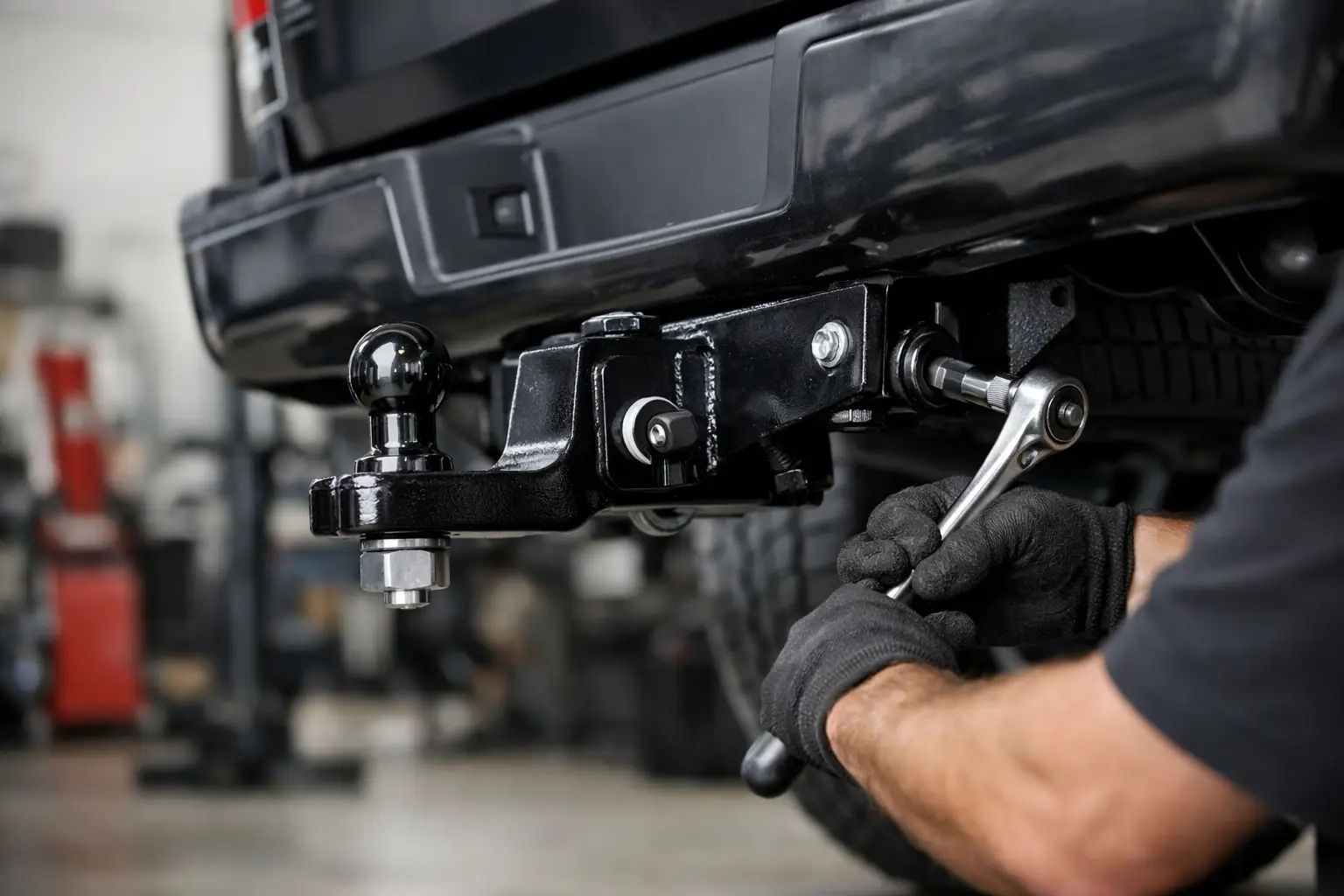
A professional job is more than bolting up the bar and plugging in a trailer socket. The mounting points need to line up correctly, trim may need to be removed and refitted cleanly, and any visible cuts in bumper trims need to be neat and minimal where required. If the job looks rushed underneath or around the rear bumper, it usually is.
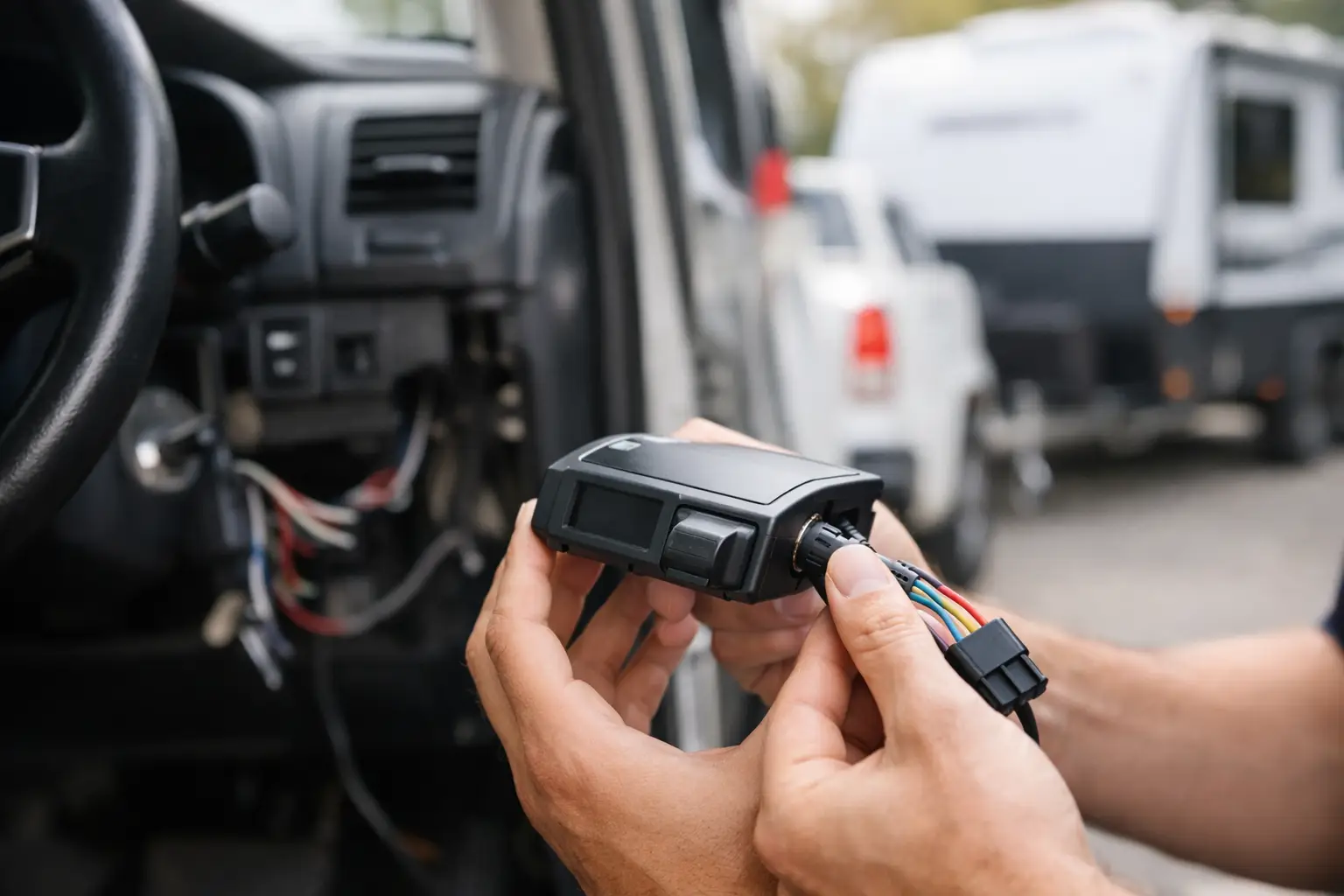
Wiring is just as important. On older vehicles, trailer wiring could be fairly basic. On newer cars, it often requires dedicated wiring kits, control modules or coding-compatible components so the vehicle can recognise trailer operation properly. That affects everything from lighting to stability systems and sensor behaviour.
Then there is the practical side. Socket placement matters. Clearance matters. The hitch height matters. If you are using a bike rack, access to the boot can matter as much as towing capacity. A proper install takes the whole setup into account, not just the bar itself.
The wiring side is where quality really shows
A neat-looking towbar can still be a poor installation if the wiring has been treated as an afterthought. We see this more often than we should. Loose cable routing, badly positioned sockets and shortcut splicing can create faults later on, especially when the vehicle is exposed to weather, vibration and regular towing use.
On many modern vehicles, dedicated wiring is the better option because it works with the vehicle’s existing electrical systems rather than fighting them. That helps avoid warning lights, erratic trailer lighting and issues with parking sensors staying active when a trailer or bike rack is fitted.
If you are adding electric brake capability, an Anderson plug or other towing electrics at the same time, it makes sense to plan the full job together. That way, the installation is organised properly from the start instead of being patched together in stages.
Eurostyle towbar installation for bike racks and light towing
For plenty of Canberra drivers, the towbar is not mainly about towing a heavy trailer. It is about carrying bikes on weekends, towing a small trailer for household jobs or adding flexibility without changing the look of the vehicle. That is where eurostyle bars often come into their own.
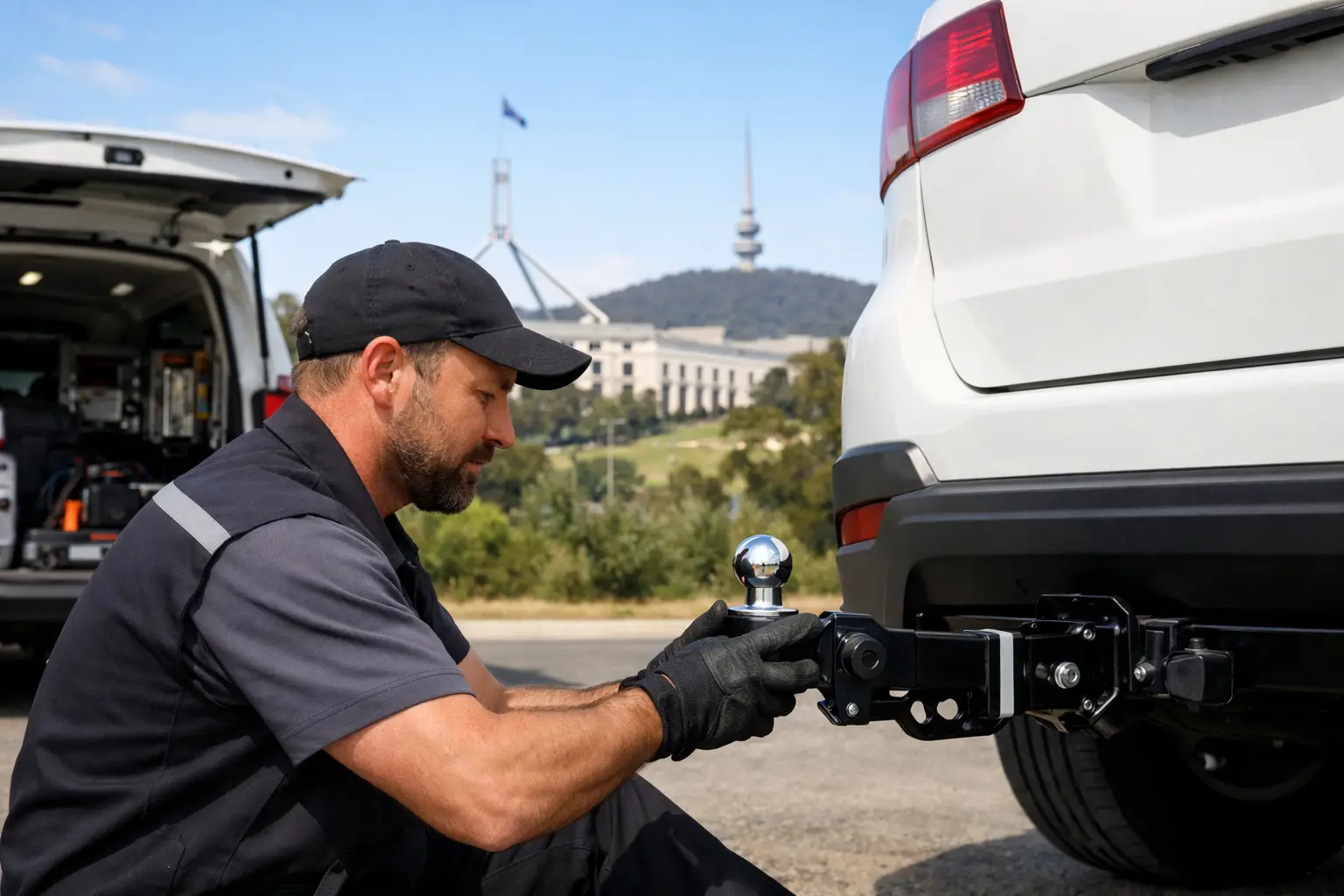
They are especially popular on SUVs and wagons where owners want a cleaner rear profile and a more refined finish. A removable neck option can be a real advantage if you only need the hitch occasionally. When removed, the vehicle keeps a more original look and you avoid knocking your shin on a protruding hitch around the driveway.
That said, bike rack compatibility should never be assumed. Not every rack suits every towbar design, and load limits still apply. The rack weight plus the bikes count toward the allowable ball load, so it is worth checking the full setup before fitting anything.
Mobile installation makes the job easier
For most customers, the biggest frustration is not choosing the towbar. It is finding time to drop the vehicle at a workshop, arrange lifts and lose half a day waiting around. That is why mobile fitting has become such a practical option.
Having the installation completed at your home or workplace keeps the process straightforward. It also means the vehicle stays where it is useful to you. For busy families, tradies and commercial operators, that convenience matters just as much as the hardware itself.
Towbar Discounts has built its name around that kind of service – practical advice, recognised brands and professional fitment done onsite. For customers, that means less disruption and more confidence that the job is handled by people who do this work every day.
Choosing the right brand and fitment matters
A eurostyle towbar is only as good as the design behind it and the standard of the installation. Recognised manufacturers invest in proper engineering, tested ratings and vehicle-specific fitment. That matters for safety, durability and how well the towbar integrates with the car.
A cheap generic option can look alright in photos and still turn into a headache once it is fitted. Poor alignment, limited clearance, awkward socket positioning and inconsistent finishes are common signs of cutting corners. Over time, those shortcuts show up in rattles, corrosion, wiring issues or simply a towbar that never feels quite right.
Good fitment should look deliberate. It should sit neatly, function properly and feel like it belongs on the vehicle.
When eurostyle is the right choice – and when it is not
If your priority is a neat appearance, occasional towing, bike rack use or preserving the look of a newer vehicle, eurostyle is often the right answer. It suits owners who want capability without making the vehicle look over-equipped.
If your vehicle is regularly hauling heavier trailers, carrying demanding towball loads or being used in harder commercial conditions, you may be better served by a different style of towbar. That is not a knock on eurostyle bars. It is just being honest about matching the hardware to the job.
The best advice is usually the simplest – choose the towbar for the work you will actually do, not the one that sounds good in a catalogue.
What to ask before booking an installation
Before any eurostyle towbar installation goes ahead, it helps to be clear on three things. What are you towing, how often are you towing it and do you need extra electrics at the same time? Those answers shape the whole recommendation.
It is also worth mentioning whether the vehicle has rear parking sensors, a hands-free tailgate, existing electrical accessories or a preferred bike rack system. Small details like that can change the recommended parts and save headaches later.
The right installer will not rush that conversation. They will want the details because that is how you get a setup that works properly first time.
A good towbar should feel like part of the vehicle, not an afterthought bolted on at the cheapest price. If you want clean looks, dependable towing and wiring that behaves as it should, eurostyle towbar installation is worth doing properly from the start.